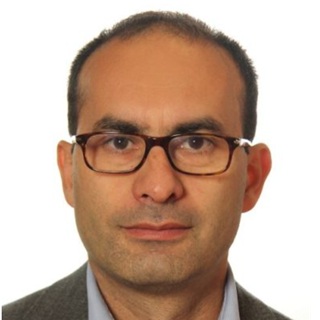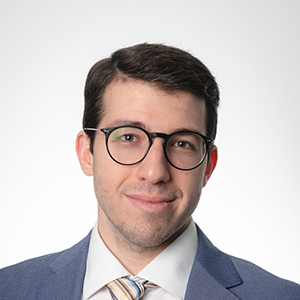

Alexandre Mejat, Deputy Director, International Scientific Networks, AFM-Téléthon

Molecular and cellular biologist by training, Alexandre Méjat is affected by a Bethlem myopathy. He led a research team dedicated to Emery-Dreyfuss muscular dystrophy for 8 years. He was also member of the Board of Directors of AFM-Téléthon and the I-Stem institute.
Alexandre Méjat joined the Scientific Department of AFM-Telethon in 2018 where he currently holds the position of Head of International Scientific Networks. He is also member of the Board of the European NeuroMuscular Centre (ENMC) and EURORDIS Rare Diseases Europe and is involved in the European Rare Diseases Research Alliance (ERDERA) and International Rare Diseases Research Consortium (IRDiRC).
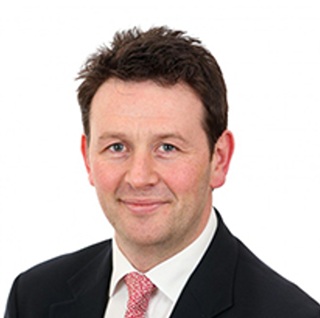
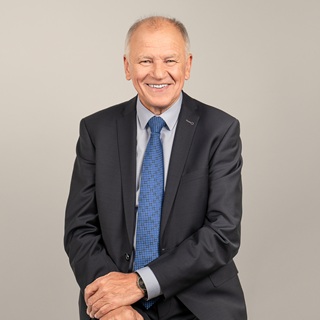
David Keegan, Clinical Professor of Ophthalmology and Retina, and Consultant Ophthalmic Surgeon, Mater Hospital, Dublin

David completed his basic and higher ophthalmology surgical training at Moorfield’s Eye Hospital, London (1997-2005). He completed his Fellowship in vitreo-retinal surgery at Columbia University / New York Presbyterian Hospital, New York, USA (2005-2006).
David’s areas of special interest include inherited retinal degeneration, diabetic retinopathy, retinal transplantation (immunological consequences), health economics, low-vision device development, biomarkers in age-related macular degeneration, retinal detachment, retinal repair and regeneration.

Fabio D’Atri, Policy Officer, European Commission (DG SANTE)

Fabio D’Atri is a policy officer in the Medicines: policy, authorisation and monitoring Unit in the Health and food Safety Directorate General of the European Commission (DG SANTE). Fabio holds a PhD in biochemistry from the University of Geneva and a master in management of biotech companies from the Grenoble School of Business.
After working for several years as university researcher in both the public and the private sector, he joined the European Commission in 2004. Initially he worked on several areas of the food legislation, from nutrition to food contact materials. In 2011 he joined the unit dealing with pharmaceutical products where he has worked on the quality of medicines, falsified medicines and clinical trials.
In the period 2016-2017 Fabio was seconded to the European Centre for Disease Prevention and Control (ECDC) in Stockholm and worked in particular on vaccination and antimicrobial resistance related issues.

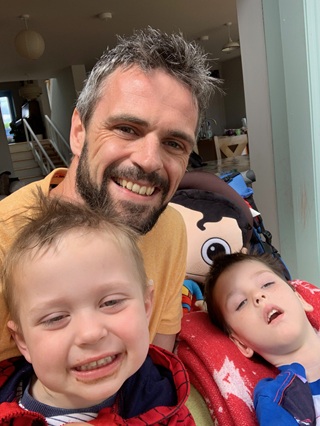
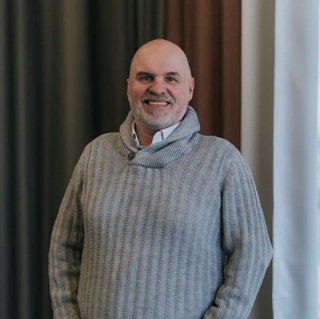
Les Martin, Parent and Advocate, Co Wicklow, Ireland 

Les Martin is a father and patient advocate whose family’s experience with rare disease has given him firsthand insight into clinical trials, treatment approval pathways, and access to care.  Les has also been a passionate advocate for expanded newborn screening in Ireland and across the EU. After two of his sons were diagnosed with metachromatic leukodystrophy (MLD), Les and his family became closely involved in the journey of gene therapy from clinical trials through regulatory approval and into treatment. Drawing on that experience, he continues to champion earlier diagnosis, and timely access to life-changing treatments for families affected by rare diseases.

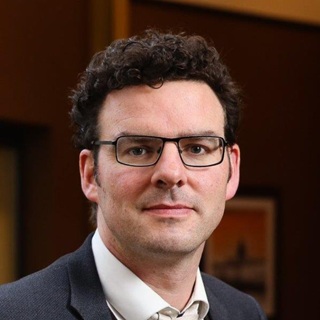
Muiris O’Connor, Assistant Secretary, Research and Development and Health Analytics, Department of Health, Ireland

Muiris O’Connor is Assistant Secretary in the Department of Health, joining in 2015 to head up the R&D and Health Analytics Division. . In this role, Muiris has responsibility for evidence-based approaches to policy and to the promotion of research and innovation in Irish health and social care. His responsibilities also include health information policy, health services reform and All-island, EU and international engagements.

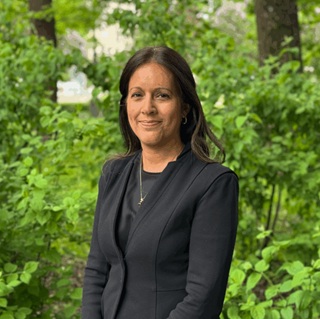
Rosa Castro, Public Affairs Director, EURORDIS-Rare Diseases Europe

Rosa Castro joined EURORDIS in 2025 as Public Affairs Director.
She supports the organisation’s public affairs strategy to advance policies that improve access to treatments for people living with rare diseases across Europe, working to address existing barriers and promote fairer, more coordinated access to therapies across EU Member States.
She brings extensive experience in European health policy in academic research, teaching, advocacy and consultancy, where she has worked at the intersection of law, health, and innovation, with a focus on access to medicines.
Rosa has a master’s and PhD in law and economics and an MA in Bioethics and Science. She was a postdoc fellow at the European University Institute in Florence and at Duke University in NC, USA.

Stefano Romanelli, Government Affairs Associate Director, European Confederation of Pharmaceutical Entrepreneurs (EUCOPE)

Stefano Romanelli is the Government Affairs Associate Director of the European Confederation of Pharmaceutical Entrepreneurs (EUCOPE). Stefano leads EUCOPE’s policy work in the area of rare diseases and orphan therapies, with a focus on the Biotech Act, the EU General Pharmaceutical Legislation and the Critical Medicines Act. In addition to EU pharmaceutical legislation, his experiences include ATMPs, non-communicable diseases, AMR, and medicine shortages.

Vytenis Andriukaitis, MEP (Lithuania), European Parliament Rapporteur of the Biotech Act

Vytenis Andriukaitis is a Member of the European Parliament from Lithuania, S&D Group coordinator in the Committee on Public Health (SANT), and the Parliament’s rapporteur on the European Biotech Act.
A cardiac surgeon by training, he served as European Commissioner for Health and Food Safety from 2014 to 2019. During his mandate the European Reference Networks for rare diseases were launched and the Commission proposed the Regulation on Health Technology Assessment. In 2020 he received the EURORDIS Black Pearl Policy Maker Award for his support of the rare disease community.
He was previously Lithuania’s Minister of Health and later served as WHO Special Envoy for the European Region. He is a signatory of the 1990 Act of the Re-Establishment of the State of Lithuania and a co-author of the Lithuanian Constitution. Throughout his career he has championed patient-centred health policy, access to innovative medicines, and stronger European cooperation in health.